Being Prepared For Fire
Many parts of the world are subject to bushfires, and no matter where you live, it’s wise to be prepared for fire on your property.
There are two main things you can do to prepare for fire:
- Reduce the risks of fire
- Have the materials and equipment needed to detect and fight fires before they get out of hand.
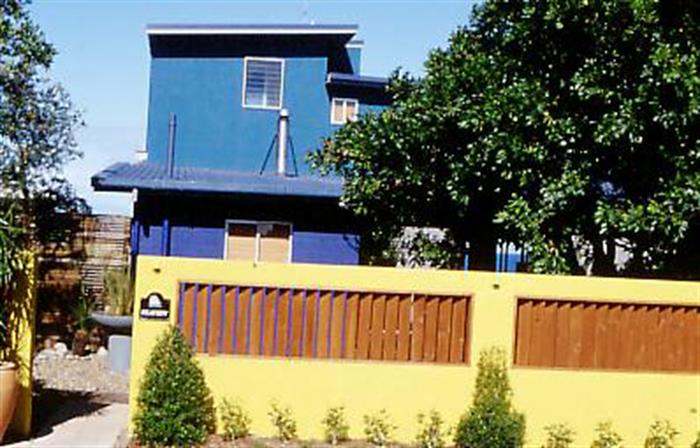
Clear vegetation away from buildings
Risks
- More fires occur during school holidays
- Fire is more likely to cause damage if you are not at home
- Long grass – even grass as short as 3 or 4cm can burn
- Piles of combustible rubbish and uncovered wood will fuel a fire
- Dry leaves in guttering can increase chances of fire spread
- Open windows can allow floating ash (still alight) into the house.
- Flammable vegetation near the house
Sources of fire
- People smoking, and the littering of cigarette butts.
- BBQs
- Litter (bottle glass thrown out from cars can ignite dried leaf mulch)
- Electric fences
- Arson
- Sparks from power lines
- Natural causes – lightning strikes; the sun passing through glass (eg. discarded bottle on the ground)
Keep areas clean around bbq's
What Can Fire Destroy?
Fires destroy gardens, garden sheds, fences and even lawns; as well as houses.
At worst fires can maim or kill not only people, but also pets and wildlife. When planning for fire control and prevention, think about all of these things: not just the house. In addition, check what your insurance policy covers. Many household insurance policies do not cover gardens and their contents.
How to Stop Children Lighting Fires
- Children who are never given the opportunity to experience fire are the ones that are most likely to develop an unhealthy fascination with fire later in life. It is important to educate children about the benefits and damage that fire can produce. Encourage young children to light fires and burn things in a constructive and supervised situation, such as when camping.
- Children who are bored are more likely to light fires. Make sure children have plenty of interesting and challenging activities to do during the school holidays.
Minimising Fire Hazards around the House and Garden
The way in which you landscape and maintain the area around the house can have a significant impact on the risk of fire damage. Ideally there should be a clear area immediately surrounding the house, preferably surfaced by gravel, paving or similar non-combustible material.
The lawn should be short and well watered. The longer it is, the faster it burns.
Certain plants burn faster than others so if you live in a bushfire area, plant fire-retarding plants such as lillypillies around the boundaries. These are sometimes called steamers because their high moisture content causes them to steam rather than burn. Planted in a dense shelterbelt, they can slow down the wind, and intercept the fire, preventing its spread closer to the house.
Avoid plants with a high content of volatile oils such as olives and eucalypts as these are highly flammable. In particular avoid eucalypts with long, ribbon bark. The bark not only carries flames up into the tree canopy; it is easily hurled aloft in strong winds to start new spot fires, many kilometres away from the main fire.
 Garden Maintenance for Fire Control
At the start of the bushfire season, remove any piles of rubbish, timber or compost, and clear the garden of branches, twigs, fallen leaves and dry mulch. This is especially important in bushfire-prone areas because it is the fine fuel on the ground (the twigs, dry leaves, bark and long grass) that greatly increases the intensity and speed of the fire.
Remove branches overhanging the house, and clear the gutters of leaves and twigs that could catch alight.
On larger properties, clear a firebreak between your boundary and the surrounding bush. In most major cities, the local council will actually clear bush vegetation from reserves and parklands for about 5-10 metres from nearby residential properties. Contacting your local council or other Government body will provide you with recommended strategies for fire break control.
Fire Fighting Equipment
- A good, reliable water supply, eg. a swimming pool or extra water tank with a pump installed.
- Good water pressure – ability to bypass water pressure reduction valves on your property.
- Plenty of taps with hoses connected to them. At least one hose should reach all corners of the house.
- Water pipes that won’t be damaged by fire (i.e. buried deep in the ground).
- Bags that can be soaked.
- Fire extinguishers (regularly maintained).
- Have an emergency fire plan – practise a fire drill with the family and make sure that everyone knows where to find emergency help.
Click here to read our article on Designing and Planting a Firebreak.
Want to Know More?
Consider doing a course or buying a reference book from our school.
If you would like to communicate with one of our professional tutors in, consider using our free course counselling service. click for details
If you want to browse our bookshop, go to www.acsbookshop.com
More from ACS
Ebook - Advice from professional horticulturists with decades in the industry.
View eBook
Ebook - A 'go to' text for farmers and those thinking of starting farming. Easy to read - packed with useful information.
View eBook
Ebook - Inspiring: covers formal, natural, eclectic, modern, oriental, Mediterranean; zoom in on stunning images and plans.
View eBook
Ebook -What to do when you are in trouble
View eBook
Ebook - A classic that has helped many to start up and run a successful business.
View eBook
Ebook - 108 stunning pages and photos: ideal for landscapers, gardeners and home gardeners interested in creating beautiful water features.
View eBook
Course -Thousands have started with this and launched their careers in horticulture.
View Course
Course - Popular design certificate that has launched many enthusiastic and talented design students into the industry.
View Course
Course - For professonal gardeners, those setting up a business or the home gardener.
View Course
Course - Buildings can enhance or inhibit good health. Let this course help you to understand better ways to live in and design buildings.
View Course